
Catalogue a stack at a time
Photograph covers through the bags, as they are. AI drafts an entry per issue it can see, each with a cropped cover photo; you confirm, correct, and move to the next stack.
Comic books
Lay the bagged issues out and photograph them — bags and boards stay on. AI drafts an entry per cover it can see; you fix the titles, note the variant and condition, and file each issue to its long box.
What you get
Photograph covers through the bags, as they are. AI drafts an entry per issue it can see, each with a cropped cover photo; you confirm, correct, and move to the next stack.
Each long box is a location, so a search for the issue names the box instead of costing a Saturday of digging. Tag variants, key issues, and signed copies in your own words and search them back out.
Record the condition you would call each book — and for a slabbed copy, the grade from its label — plus a value. Running totals and itemised PDF or spreadsheet exports cover insurance documentation and sale day alike.
How it works
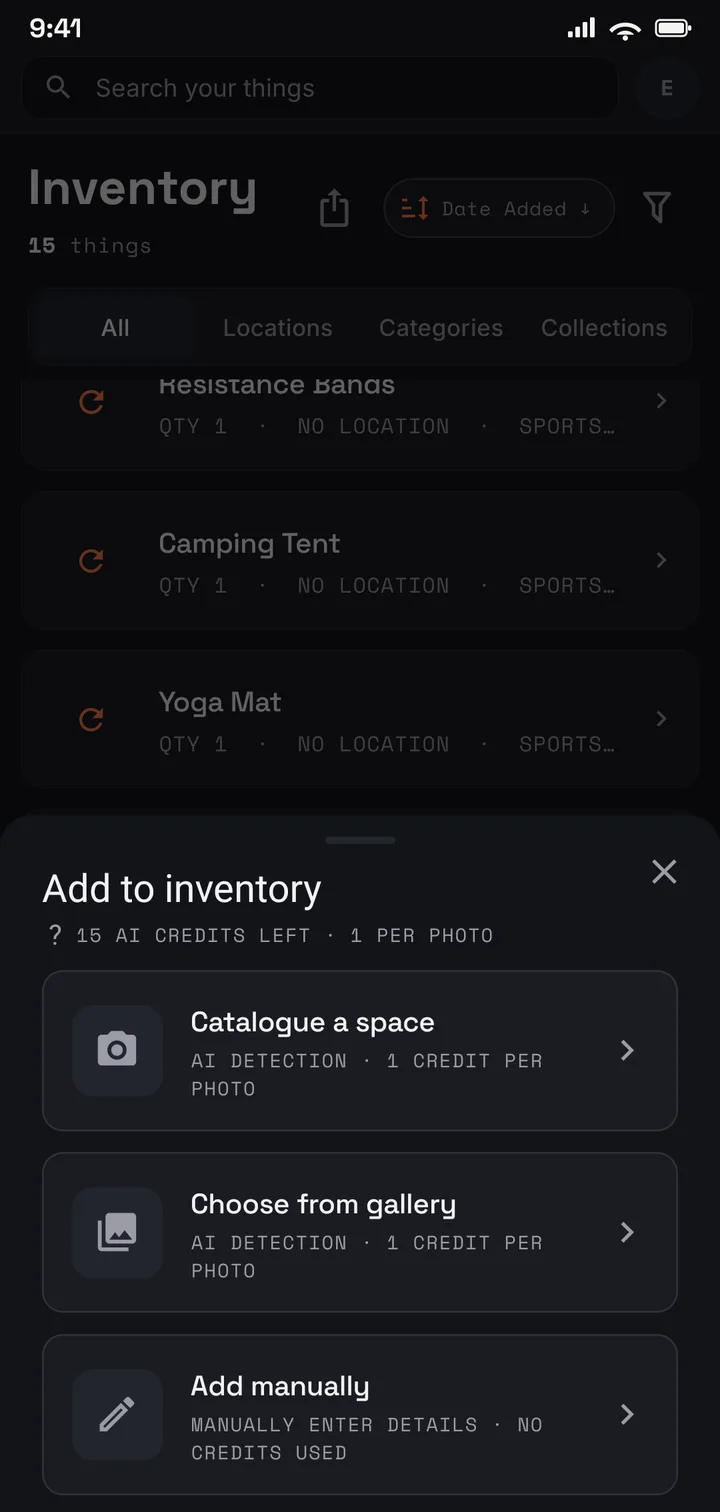
Lay the bagged issues out and photograph the covers.
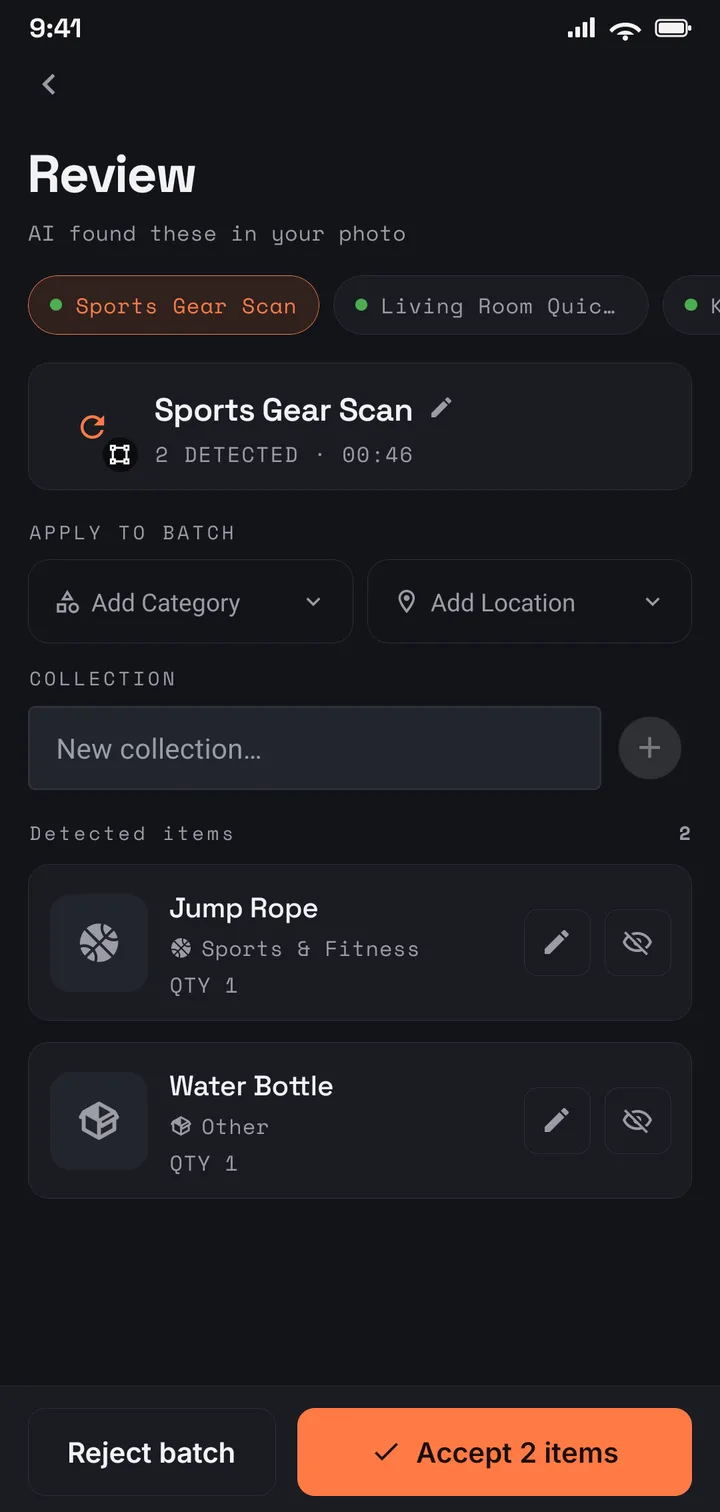
AI drafts an entry per cover; you fix titles, note variants, and confirm.
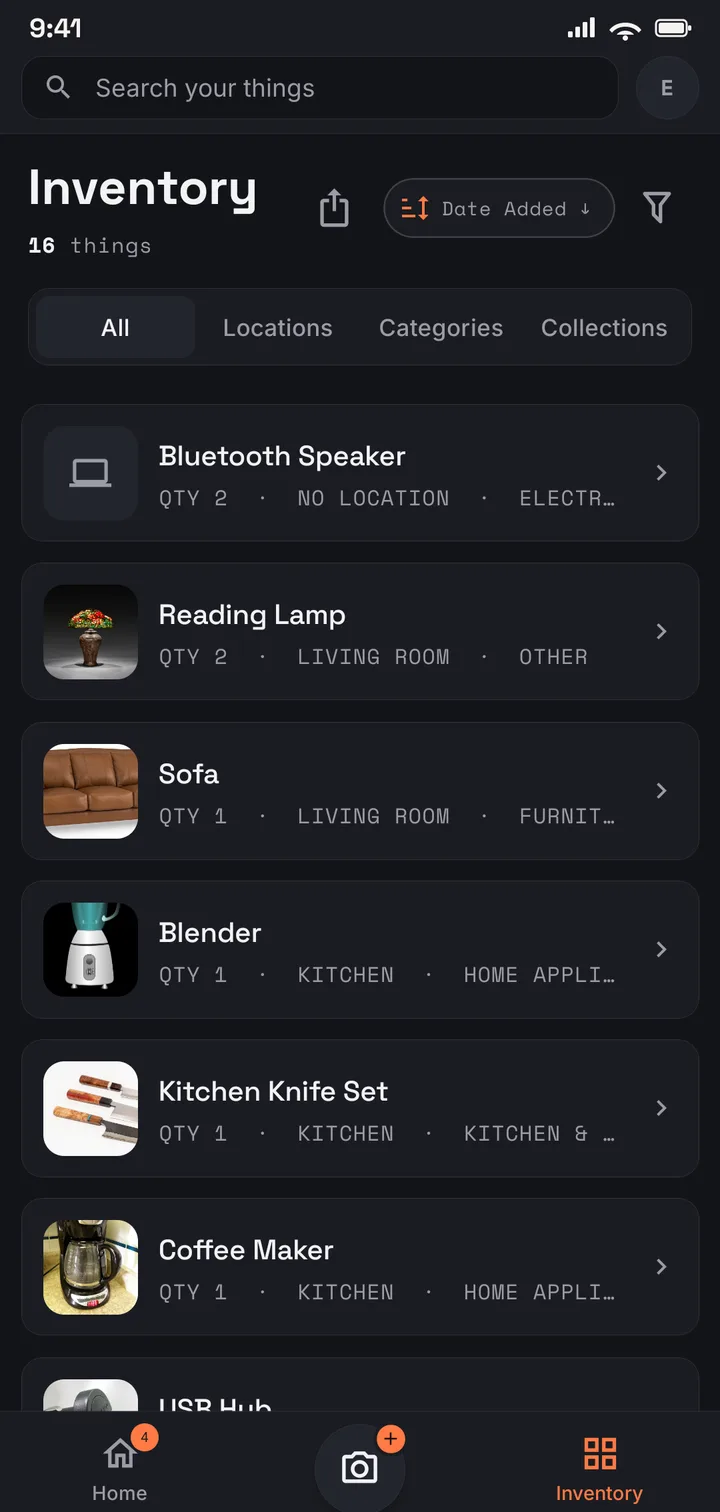
Search an issue and see which long box holds it.
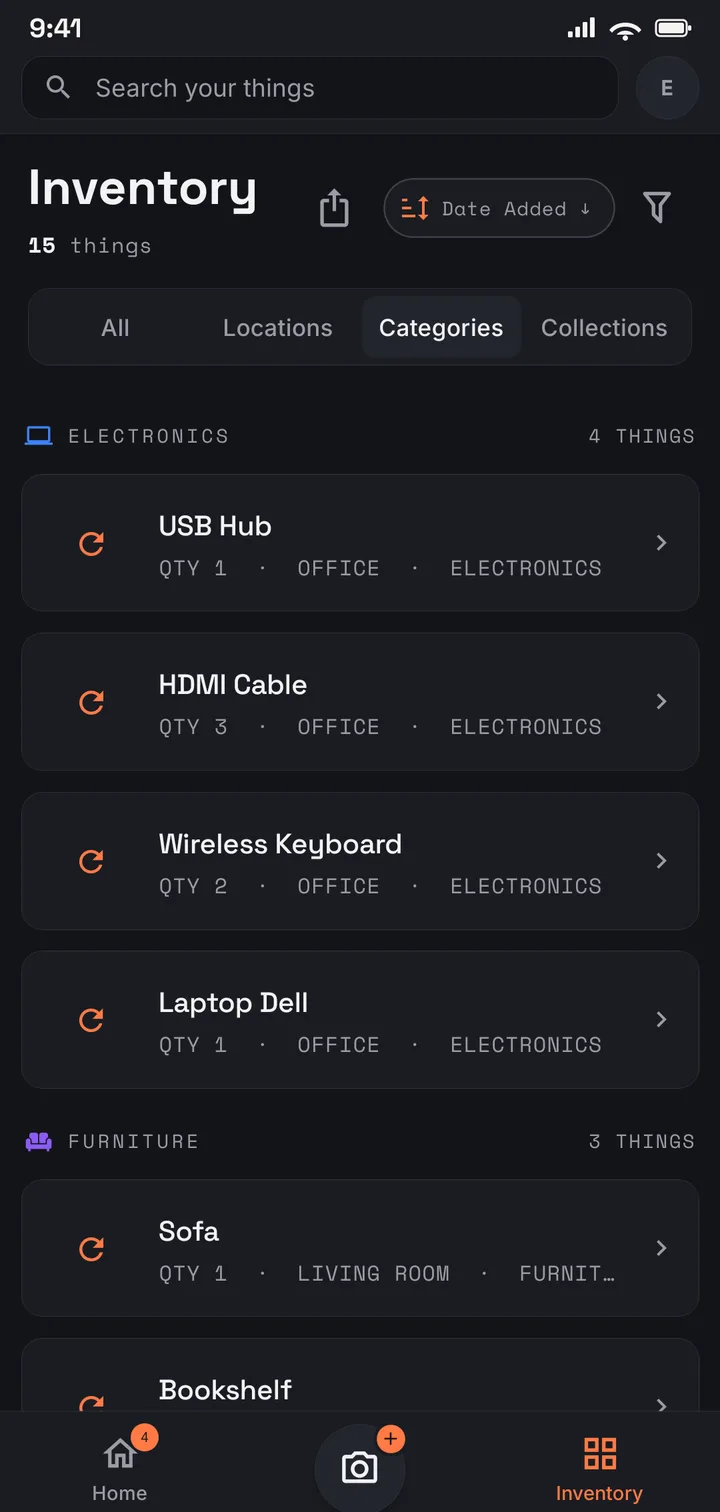
Long boxes, the display shelf, the reading pile — one collection.
Where to start
Start free with 75 items — the display shelf and the current pull. A long-box collection fits on Plus: 1,000 issues across 50 locations, each box its own place, with the itemised PDF report. Past that, Pro (US$9.99/mo · US$99.99/yr) removes the item and location limits.
Use it in your browser today · Android on Google Play
In your own words. The description holds the variant, the printing, and the history, and tags make it all searchable — and if a book is slabbed, record the grade from the label and photograph the slab so both stay on the entry.
Yes. Photograph straight through the bag and board — the drafts may need a title fixed here and there, which is what the review step is for. Nothing about cataloguing should require unbagging a book you preserved.
No — there is no barcode scanning and no database lookup. You photograph the covers, AI drafts an entry per issue it can see, and you correct the details. The record describes your copies: the printing you own, the variant cover, the condition it is actually in.
Yes. It is tied to your account, encrypted in transit and at rest, never sold, and never used for advertising. It is shared only if you invite family members to it.